
The Artemis II mission marks a turning point in human space exploration, and Space Foundation will be here to document it. This page will be updated throughout the mission with news, insights, and coverage from our team, keeping you connected to one of the most ambitious moments in spaceflight history.
Artemis II
Updates
April 8, 2026
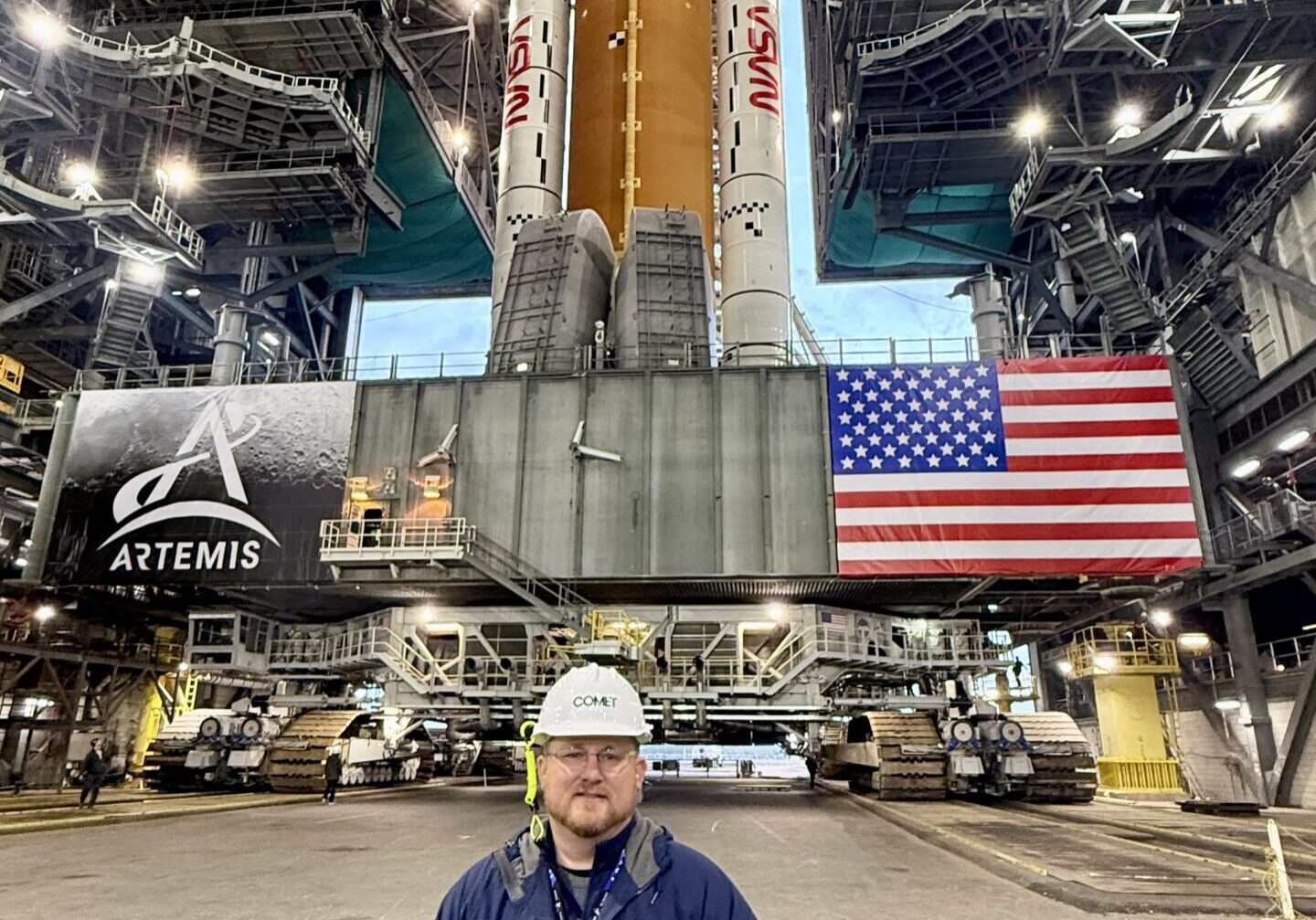
Bringing All the Legos Together
Every mode of transportation brings many different pieces together if it is to go far. But what about when all the pieces come from different countries, suppliers and manufacturers? And what about when the Moon is the destination? Who puts all of it together?
April 6, 2026
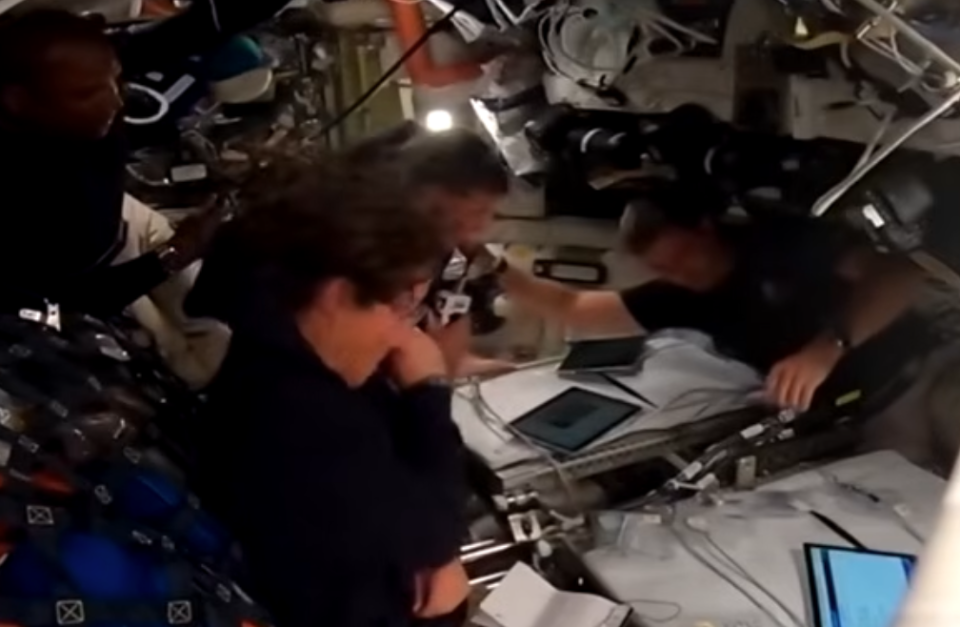
Artemis II Sets Distance Record and Names Craters During Science Survey
Astronauts aboard Artemis II became the first humans to fly more than 250,000 miles from Earth just before noon on Monday as their Orion crew capsule passed the Moon on a figure-8 flight back to Earth...
April 2, 2026
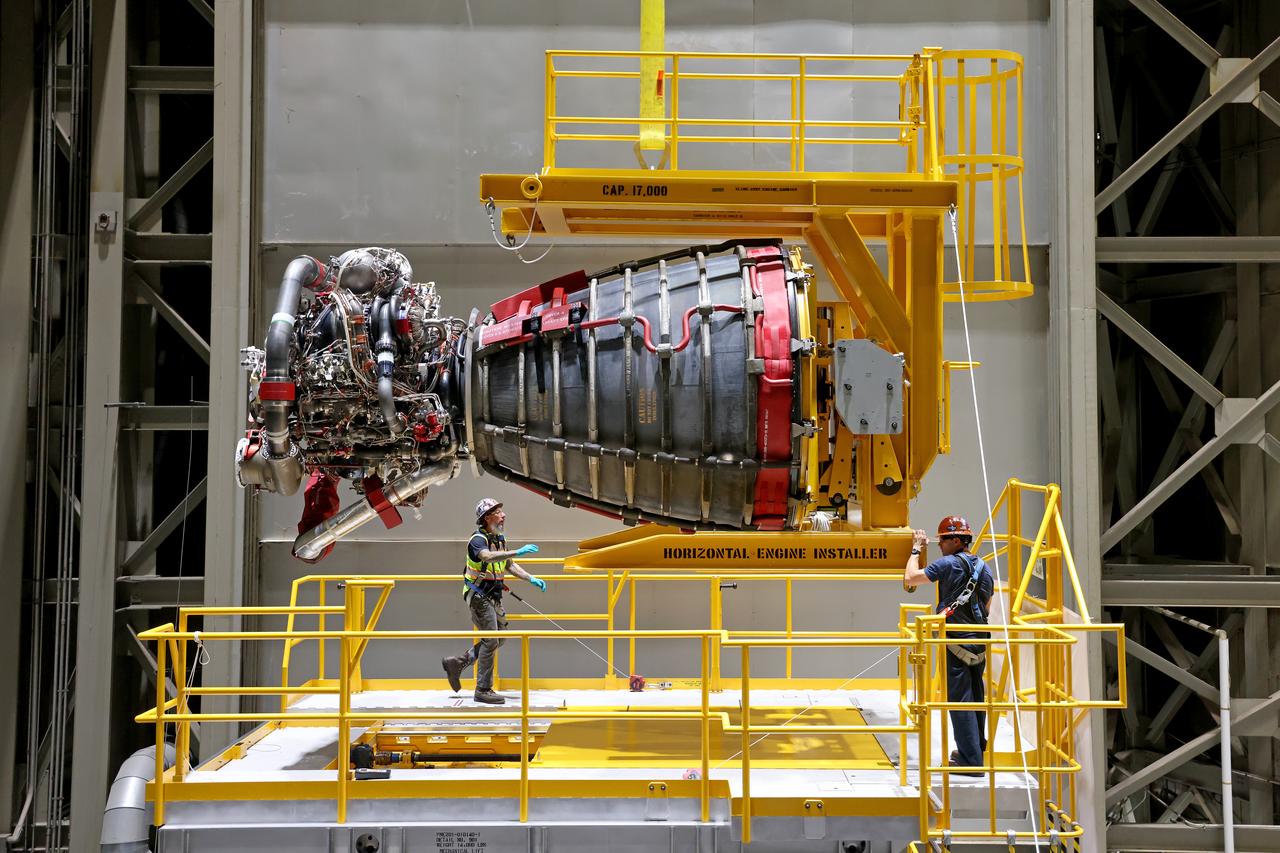
How the Artemis II Mission Lifted 6 Million Pounds Into Space
When a launch vehicle the size of Artemis II takes off, the roar shakes everything around it for miles. The brightness of the flames burns like the sun. This fusion of spectacle and...
April 1, 2026
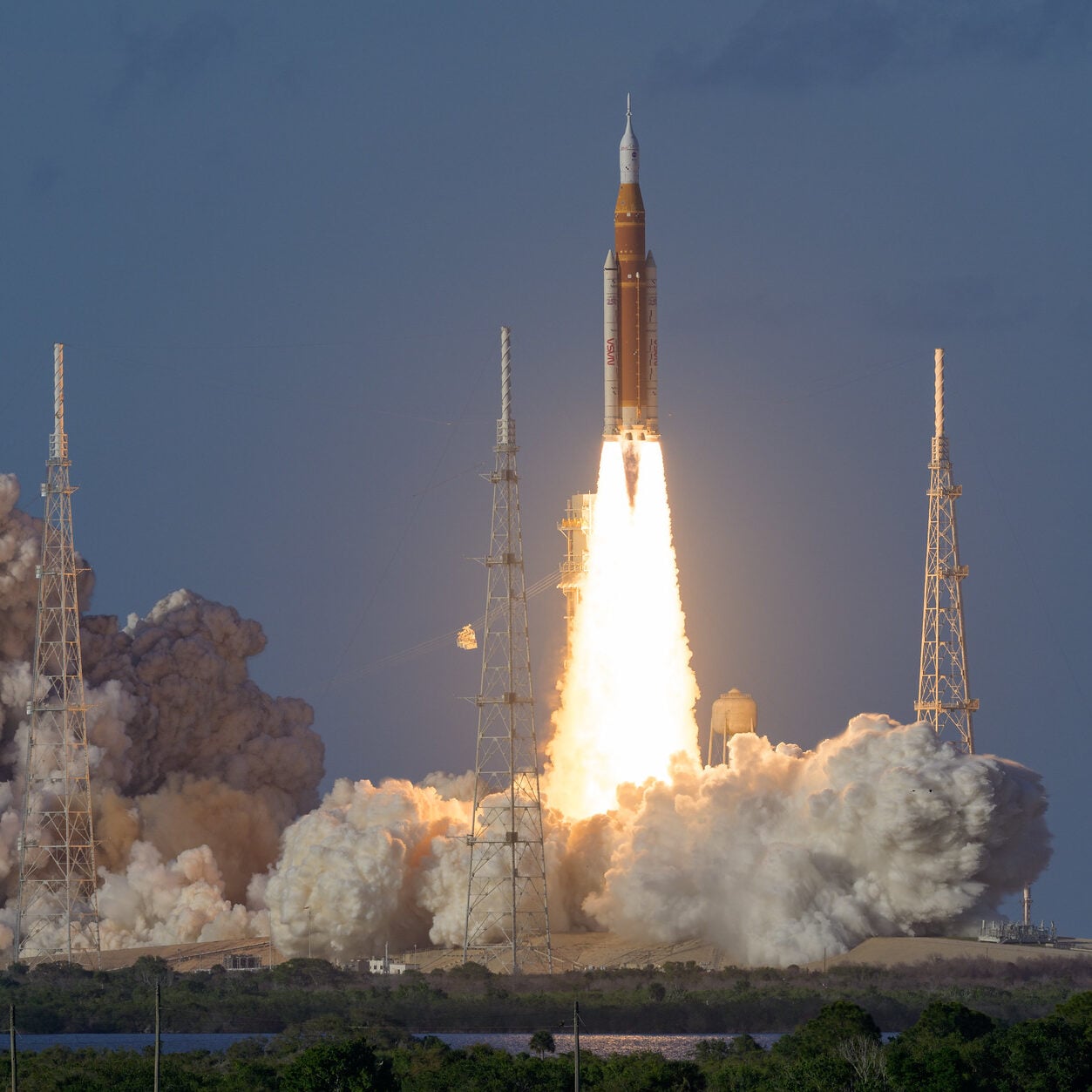
Artemis II Successfully Launches 4 Astronauts Toward the Moon
For the first time in more than 50 years, humans are leaving Earth’s orbit. NASA’s Space Launch System (SLS) took off from Kennedy Space Center at 6:35:12 p.m. Eastern Daylight Saving Time on a mission that will set the stage for U.S. lunar habitation by 2028.
Artemis II astronauts:
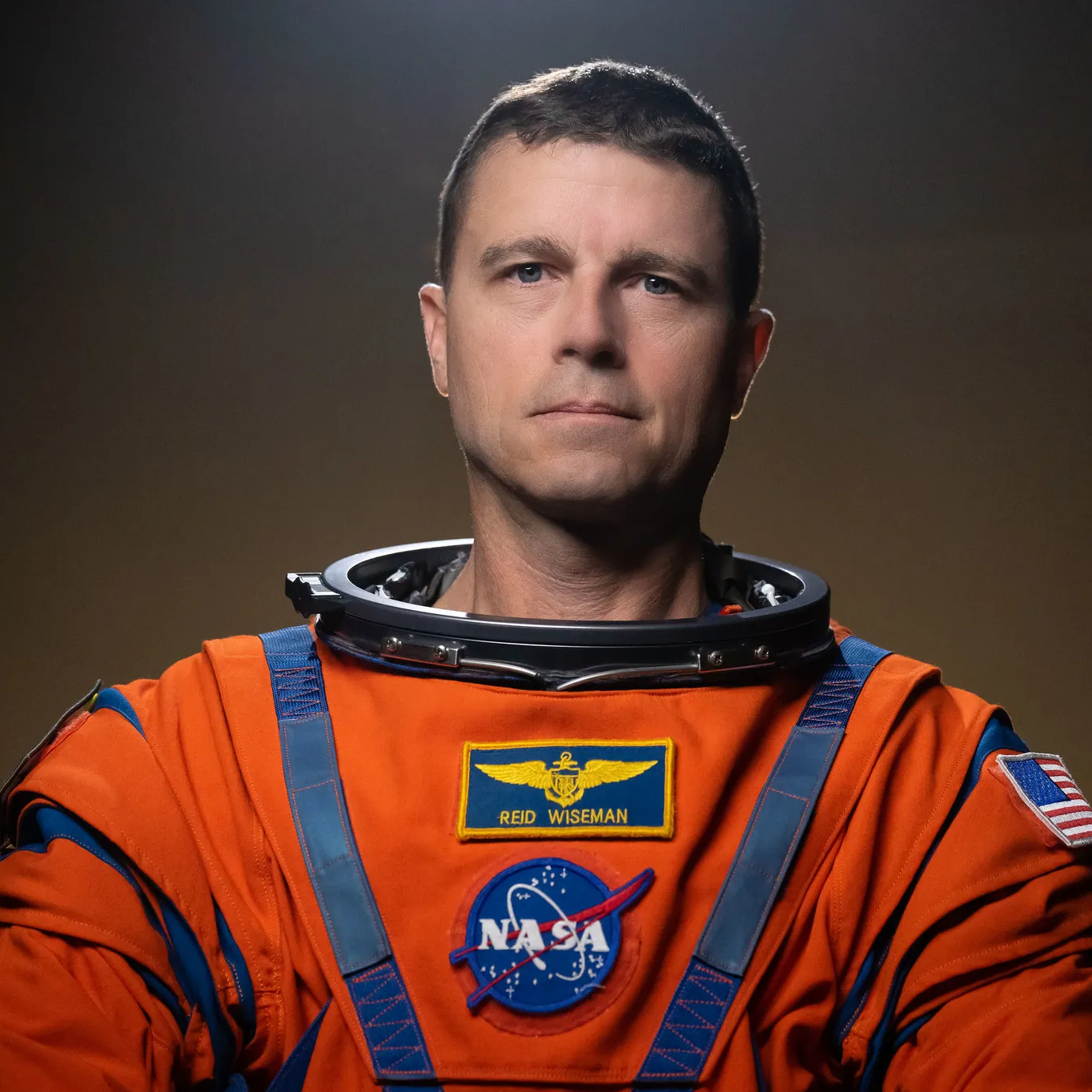
Reid Wiseman
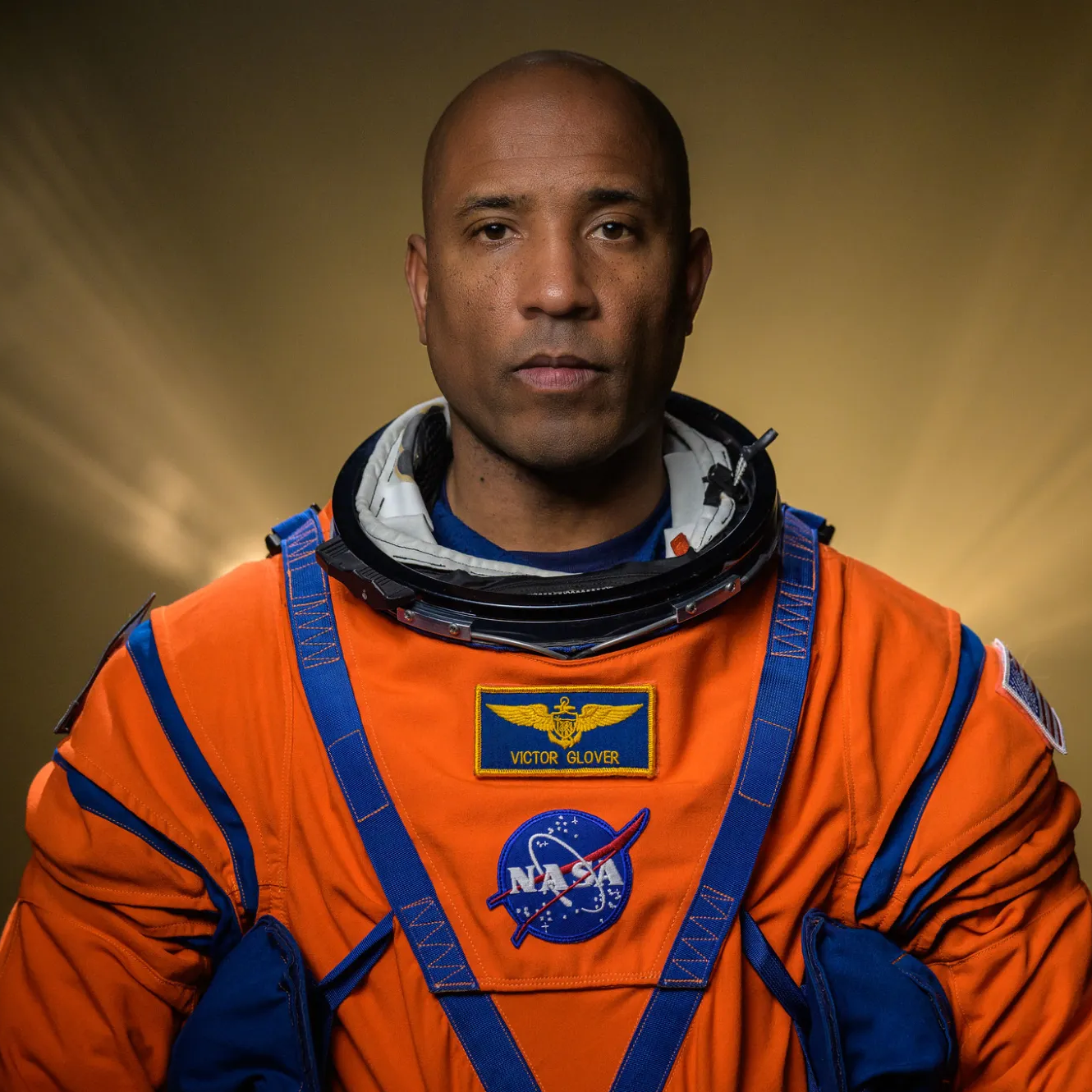
Victor Glover

Christina Koch

Jeremy Hansen
Offered here is The Moon Briefing Book which provides details and information pertaining to our nearest celestial neighbor and the Artemis II mission.
Produced by Space Foundation, this resource has been created to connect and inspire readers of every background to the most ambitious human space exploration in more than twenty-five years. The journey of the Artemis II crew of four is fueled by the talents of thousands of men and women from the United States and its partners around the world.
Engineers, machinists, scientists, researchers, welders, policy makers, programmers, astronomers, mechanics and more have brought all of their expertise together to write this new chapter in humanity’s exploration of our universe. Their collective work for exploration is creating a new story where knowledge, inspiration, opportunity, and courage will yield even more benefits for life on Earth.
And it has only just begun…
Space Sectors
Space endeavors are grouped into sectors: civil, national security (i.e., defense and intelligence), and commercial. Each sector operates with its own goals and assets, although they all rely on a common space industrial base, workforce, and infrastructure.
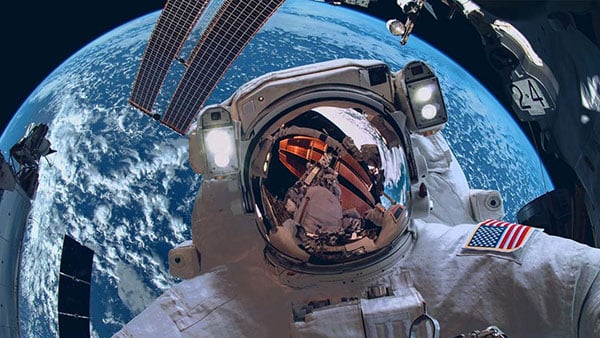
Civil
Non-defense-related government space activities, including launching and managing satellites, conducting research, and exploring the solar system. In the United States, nearly all civil space missions are managed or run by NASA and NOAA.
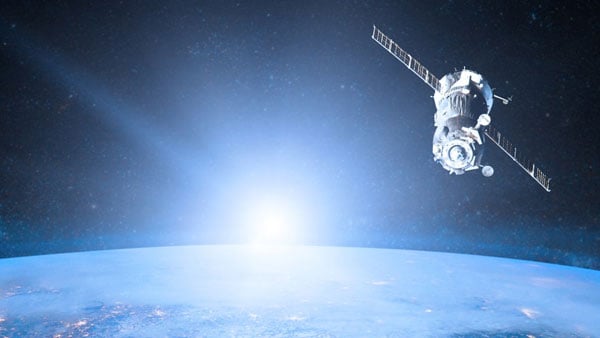
National Security
The defense and intelligence sectors are commonly considered together as a “national security” sector. The U.S. Department of Defense oversees space missions in support of military operations, and several agencies in the U.S. intelligence community are involved in operating space assets for intelligence purposes to support military and law enforcement operations.
Commercial
All space-related endeavors — including goods, services and activities — are provided by private sector enterprises with the legal capacity to offer their products to non-governmental customers. Commercial space efforts range from satellite communication to space tourism.